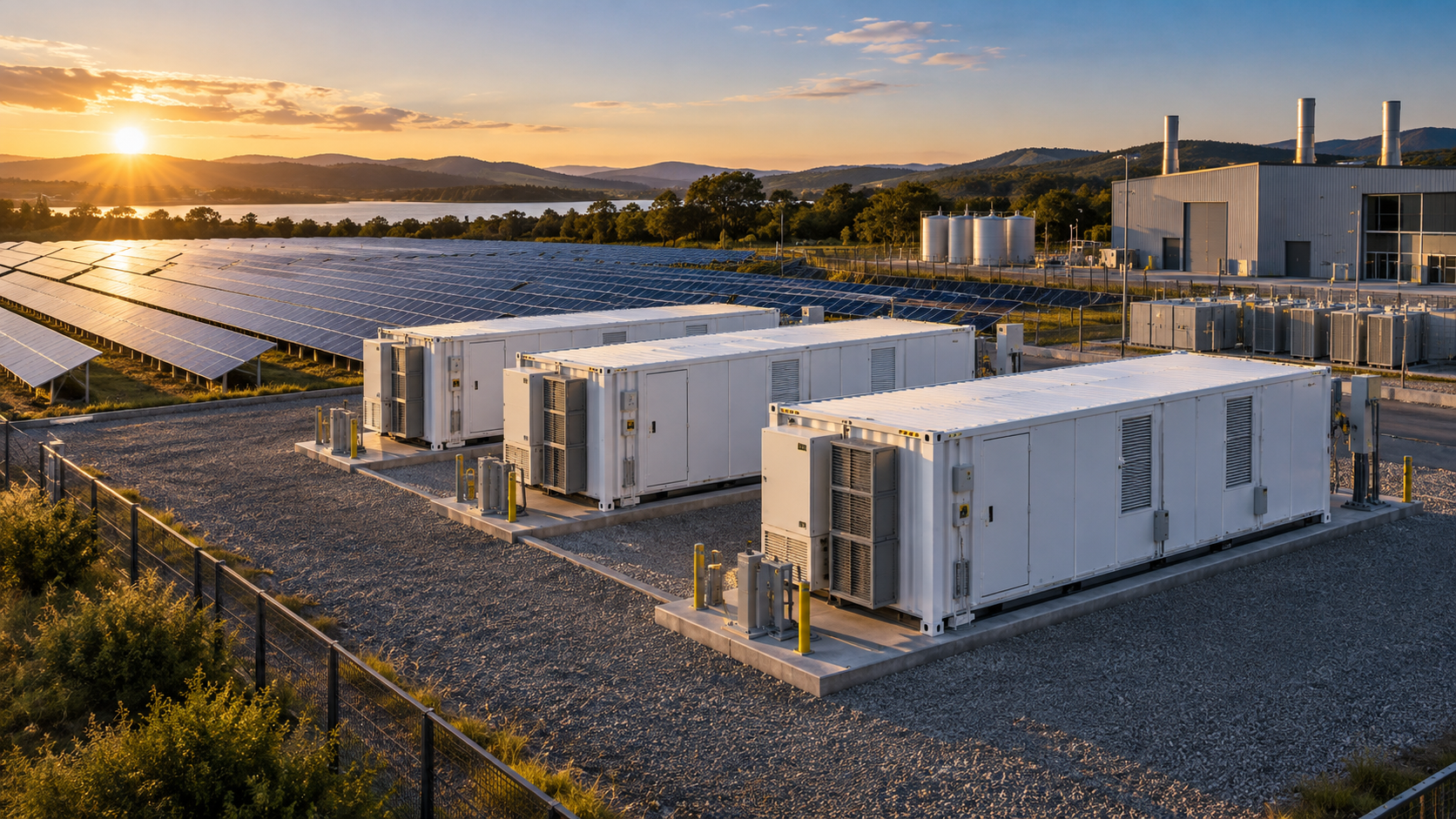


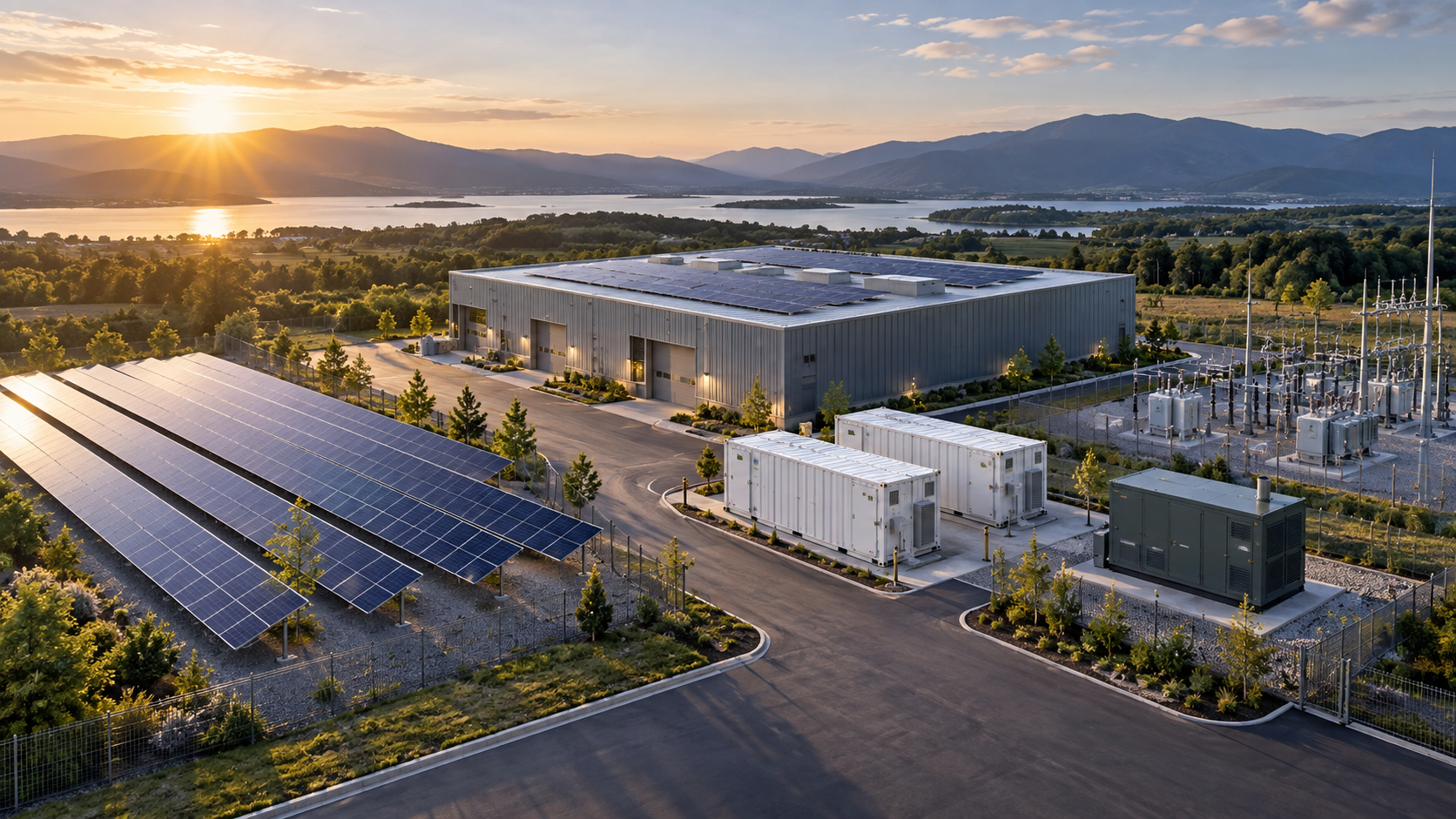
A facility’s energy infrastructure rarely depends on one source alone. When solar generation, battery storage and backup generation operate alongside the utility grid, a coordinated control architecture is needed to determine how each resource should respond.
Define the operating objectives first
Microgrid design begins with the load profile, critical-load list, grid constraints and business priorities. Objectives may include self-consumption, peak shaving, backup operation, fuel reduction or resilience. Each objective requires a different control strategy.
Integrate devices and data
Inverters, battery systems, generators, protection relays, meters and switchgear must exchange reliable data. Communications design, time synchronization, control interfaces and cybersecurity should be addressed early—not added after equipment selection.
Use EMS to coordinate energy flows
The energy management system evaluates generation, demand, battery state of charge, grid availability and equipment constraints in real time. It then coordinates charging, discharging, generator dispatch and load management while respecting safety and grid requirements.
Engineer islanding and resynchronization
If outage resilience is required, the protection and control scheme must support safe separation from the grid, stable island operation and controlled resynchronization. Critical-load power, battery autonomy and black-start requirements should be verified through studies and commissioning tests.
Explore Keypower’s microgrid, EMS and power-system engineering capabilities, or contact our technical team.